Enjoying ramen in Japan wouldn’t be complete without joining the queue to eat at Ichiran. I now understand why Ichiran has such a big following: • Their menu focuses on what they do best — ramen. • You can customize every detail of your bowl to your liking. • Ordering is simple and service is quick. • You can order or ask for assistance without speaking, making the experience smooth and comfortable. • The individual cubicles give you a peaceful space to eat and fully enjoy your ramen. I recommend going for the rich flavor option — the thick, flavorful broth pairs perfectly with medium noodles, soft-boiled egg, tender pork slices, and seaweed. Plus, they also offer additional side dishes and drinks if you want to complete your ramen experience. AND THEY ARE OPEN 24 HOURS!
Overview
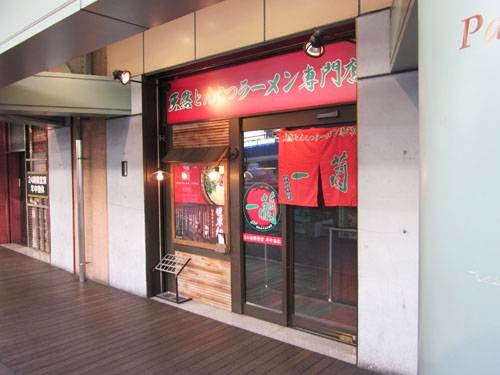
Tucked inside the busy Atre shopping complex just steps from Ueno Station, Ichiran Ueno (Atre) at 7 Chome-1-1 Ueno, Taito City, Tokyo 110-0005, Japan, feels like a quiet refuge for serious ramen lovers. I’ve eaten ramen across Tokyo for years-from tiny neighborhood counters in Asakusa to late-night shops in Shinjuku-and this branch consistently delivers the focused, methodical experience that made Ichiran famous. The moment you step in, the hum of the station fades, replaced by the comforting aroma of simmering pork bones and freshly cooked noodles.
Ichiran is known for its tonkotsu ramen, a Hakata-style pork bone broth that is simmered for hours to extract collagen, depth, and umami. According to Japan’s Ministry of Agriculture, tonkotsu broth requires long boiling times to emulsify fat and marrow properly, creating that creamy texture ramen enthusiasts chase. At this Ueno location, the broth has that signature silky consistency-rich but not greasy. The flavor is layered, starting with savory pork and finishing with a gentle sweetness that lingers without overwhelming the palate.
Ordering here follows Ichiran’s iconic solo-dining concept. You purchase a meal ticket from a vending machine, then customize your bowl on a detailed order sheet. I usually adjust the garlic level to medium, select firm noodles, and choose a spice level just above standard. The red sauce-Ichiran’s closely guarded blend of chili and spices-adds complexity rather than simple heat. Food writer and ramen expert Ivan Orkin has often emphasized that balance defines great ramen, and this bowl proves the point. Every component, from broth to thin straight noodles, works in harmony.
The individual booths are another defining feature. Designed to minimize distractions, they allow you to focus on flavor. While it may feel unusual at first, especially if you’re traveling with friends, the setup actually enhances the experience. During a recent visit on a busy Saturday evening, the line moved efficiently despite high demand. Staff members were precise and polite, delivering bowls through bamboo curtains with minimal interruption. That consistency speaks to Ichiran’s operational system, which has been studied in hospitality circles for its streamlined service model.
The menu is straightforward but flexible. The base ramen can be upgraded with extra chashu pork, a soft-boiled egg, additional green onions, or extra noodles known as kaedama. I tried the chashu upgrade last winter, and the pork was tender with just enough fat to complement the broth without making it heavy. For first-time visitors, sticking to the classic bowl is wise, then adjusting preferences on a second visit. Regular diners often fine-tune their order sheet over time, treating it almost like a personal flavor blueprint.
Reviews across major travel platforms consistently rank this location highly for cleanliness, speed, and reliability. While some critics argue that chain ramen lacks the soul of independent shops, Ichiran’s strength lies in precision. In fact, data from the Japan External Trade Organization shows that ramen chains with standardized preparation methods often maintain more consistent flavor profiles across branches. That reliability matters, especially for travelers who want a dependable bowl near a major transportation hub like Ueno.
Location-wise, it couldn’t be more convenient. Being inside Atre means you can grab ramen before heading to Ueno Park, Tokyo National Museum, or catching a train. Despite its central position, the quality doesn’t feel compromised by foot traffic. Still, peak hours can mean waiting times, particularly in the evening. If you’re short on time, mid-afternoon tends to be quieter.
From personal experience, what keeps me coming back is not just the broth or noodles but the focused atmosphere. There’s something satisfying about sitting in a small booth, filling out a customization sheet, and receiving a bowl crafted exactly to your taste. It feels deliberate and thoughtful. While no single ramen shop can represent all of Tokyo’s vibrant ramen culture, this branch offers a polished, authentic taste of Hakata-style tonkotsu that lives up to its reputation.
Good to know
Service options
✓ On-site services ✓ Dine-in ✓ Delivery ✓ TakeawayPopular for
✓ Lunch ✓ Dinner ✓ Solo diningAccessibility
✓ Wheelchair-accessible seating ✓ Assistive hearing loop ✓ Wheelchair-accessible car parkOfferings
✓ Alcohol ✓ Beer ✓ Late-night food ✓ Quick bite ✓ Small platesDining options
✓ Breakfast ✓ Brunch ✓ Lunch ✓ Dinner ✓ Counter service ✓ Dessert ✓ Seating ✓ Table serviceAmenities
✓ Smoke-free place ✓ ToiletCrowd
✓ Family friendly ✓ LGBTQ+ friendly ✓ Tourists ✓ University studentsPlanning
✓ Usually a wait ✓ Accepts reservationsPayments
✓ au PAY ✓ Credit cards ✓ dBarai ✓ NFC mobile payments ✓ PayPay ✓ Rakuten Pay ✓ Transit IC cards ✓ V-Money ✓ Credit cardsChildren
✓ Kids' menuPhotos
Location
Reviews
Ichiran it's such a fun experience. The seating area it's like no other (or not common anymore) and helps to focus on the food. The broth it's sooo good and deep, the noodles are crunchy and you order them to your liking as well as the type of spice, creaminess and topings, the eggs are my favorite; soft and flavorful. Chashu is great too. Worth the wait -and usually moves quick.
Food there is great at a reasonable price. There is usually around a 15-25 minute wait depending on the time, but less than other locations. There are singular booths with dividers that can be folded open. The prices there are reasonable and there are a lot of choices you can choose, such as noodle firmness, etc. Here are some choices I prefer: Dashi: Strong Richness: Rich Garlic: 1/2 Clove Green Onion: White and Green (both) Chashu: With Spice: 4-8 Noodle: Firm
Food is not bad but also not that good. You have your own private counter booth which can remove doors from both sides if you come in with family or friends. There will be a long waiting line considering its in Ueno and right near the train station. They have order sheets for the kitchen to adjust the taste of the ramen to match your preference.
This ramen place is really good and offers an interesting experience. Unfortunately, it’s a very popular spot, so it can get quite busy, especially between 12 and 2 PM. The queue to eat was about 45 minutes long. If you’re coming with a large group of three or more, it might be challenging to find seats together. So, if you don’t mind, you might need to sit separately. On the bright side, the prices are reasonable, and ramen is tasty! (TIP: If you’re seated together, there’s a way to remove the middle wall that separates the seats, enabling you to dine together. However, if you want to truly experience the authentic Ichiran experience, it’s best to leave the wall intact.)
The queue was long as with many branches but almost always it was worth it. The ramen was cooked beautifully. There is a topping set for 1850 yen. The service was extremely fast, we didn’t wait long for a seat once we entered inside. It was a very fulfilling meal There was a small rumble of the train passing and entering the JR station as we happened to be below the train tracks. But it was handleable.
It's a very different experience to eat Ichiran Ramen at its origin country Japan. The ramen everything tasted better than those overseas countries outlet (Hong Kong, Taipei) I tried. Choose the 1850yen straight. Fantastic. I finished everything. I can feel the train are moving above while inside this restaurant.